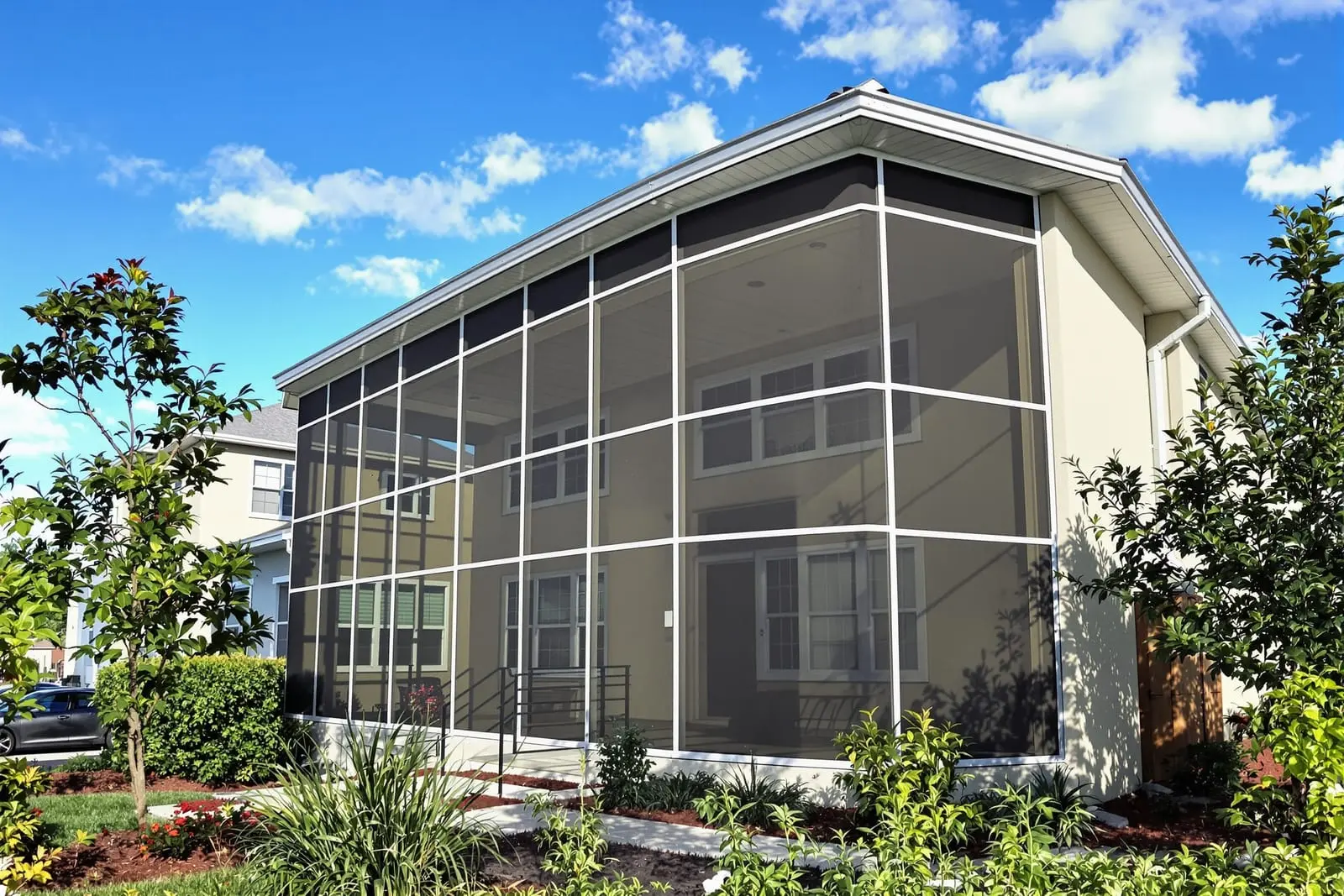
Protect your property with professional commercial screen installation in Birmingham, AL.
Protect your property with professional commercial screen installation in Birmingham, AL. We install screens on offices, retail buildings, and multi unit properties. Our team uses heavy duty materials that stand up to frequent use and weather. Improve comfort for employees and customers while keeping pests outside.
Vista Screens Birmingham provides professional commercial screen installation throughout Birmingham, AL and the surrounding area. Our licensed, insured crew delivers safe, clean, on-time work with a free estimate before anything begins. Call (205) 236-2190 or request your free quote.

Vista Screens Birmingham focuses on commercial screen installation for local properties in and around Birmingham, AL. We work with office buildings, restaurants, churches, schools, industrial facilities, and medical offices that need durable, code-aware screening solutions that hold up to daily use.
Instead of pushing one standard product, we look at how your building is used, how much traffic each area gets, and what your maintenance budget looks like. A restaurant patio in Lakeview needs airflow and easy cleaning after a busy night, while an industrial doorway near the airport needs impact resistance and protection from insects around loading docks.
Common commercial uses include screened patios and courtyards, covered walkways between buildings, screened break areas for employees, service windows, and large screened openings for warehouses and shops. For older brick buildings downtown or in Avondale, the way we fasten tracks and frames is different from lighter framed construction in newer areas like Liberty Park. That local knowledge affects how long your screens will actually last, and how they perform through hot, humid summers and the occasional severe storm.
If you want practical guidance, we explain the tradeoffs clearly, such as when to choose heavier frames, where to reinforce doors, and what types of mesh survive heavy use without constant repairs.
Commercial screen installation starts with a site visit. A Vista Screens Birmingham technician walks the property with you, looks at how people move through the space, and identifies where screens need to provide airflow, insect protection, privacy, or security. We measure openings, note surface materials (brick, block, metal, wood, EIFS), check rooflines and gutters, and look at how water drains during heavy summer storms.
Next, we review options. For patios and outdoor seating, we talk about fixed screen walls versus sliding or retractable systems. For warehouses and service bays, we may suggest large horizontal sliders, magnet-latched roll screens, or framed panels that can be removed for equipment access. We cover mesh types, frame colors, door hardware, and any needed code considerations like egress paths and accessibility.
Once you approve a layout and materials, we schedule installation to minimize disruption to your staff and customers. On restaurants and retail, we often work early morning or off days. For office and medical spaces, we may stage work by area so sections of the building remain in use.
During installation we anchor frames to structural points, not just trim. In masonry walls we use proper anchors suited to the block or brick. In metal buildings we tie into girts or other framing. We shim frames to avoid binding doors, then set tracks and panels so they run smoothly even with small building shifts that are common in older Birmingham structures.
We finish by testing every operable panel and door, adjusting closing speed and latches, and walking the site with you. You get a rundown of cleaning methods, the expected life of the specific mesh you chose, and typical repair costs so you know what to plan for over the next several years.
For commercial screen installation in Birmingham, material choice has a real impact on performance. Humidity, pollen, and heavy use can break down the wrong products quickly, so we match materials to your building type and usage.
Mesh options include standard fiberglass for low-impact areas like upper-story windows, heavier polyester or PVC-coated mesh for restaurant patios and breezeways, and stainless or high-tension mesh when vandal resistance or pet resistance is a concern. For food service operations, we often recommend smoother meshes that clean easier and do not trap grease and dust as quickly.
Frame systems range from basic fixed aluminum frames to heavy-gauge extruded frames used in high-traffic entrances and commercial doors. On large openings like loading docks, we design multi-panel sliders or vertical systems with reinforced uprights so the frame will not twist when forklifts or carts bump nearby structures. We pay attention to color options as well, and can usually match common storefront or metal building colors so screens do not look like an afterthought.
Design choices also include door style: hinged screen doors with commercial closers for employee entrances, double doors with heavy kick plates for frequent cart traffic, or wide sliding units for patios that open up fully during nice weather. We can integrate screen systems with existing roll-up doors or security grilles, so you can keep airflow while the main door is open but still protect the building after hours.
For properties near busy Birmingham streets or rail lines, we may recommend tighter-weave mesh for some visual privacy and a minor noise-softening effect. For medical and office campuses, we focus on clean, simple lines and low-maintenance components so building engineers can keep everything working without specialty tools.
Commercial screen installation pricing varies based on three main factors: size and complexity of the openings, materials selected, and site conditions. During the site visit, Vista Screens Birmingham measures and notes all of these so we can give a straightforward proposal.
Large spans, such as multi-panel patio systems or warehouse openings, require heavier frames, more track, and sometimes structural reinforcement, which raises material and labor costs. Smaller projects, such as enclosing an employee break area at a small shop in Homewood, are typically more budget friendly and faster to complete.
Mesh type affects price too. Standard fiberglass is the most economical, while high-tension or stainless mesh costs more upfront but often pays off for businesses that would otherwise be replacing torn screens yearly. In restaurants, where chairs and carts scrape walls constantly, it is often cheaper over time to go with a tougher mesh from the start.
Site conditions in Birmingham can change costs. Masonry walls that are crumbling or out of plumb may need repair or special brackets. Metal buildings with thin sheathing may require extra backing where the screen frame anchors. Multi-story installations require lifts or scaffold, which affects both price and schedule. We outline these items clearly so you are not surprised later.
Timelines are usually short once materials arrive. Most small commercial projects complete in one or two days. Larger patios or multiple-building campuses may take several days, but we can phase work so only certain areas are impacted at a time. Weather is a factor in our area, so we plan around heavy rain when possible and secure partially completed work if a storm is expected.
Birmingham’s climate and building stock shape how commercial screen installation should be done if you want the work to last. High humidity, strong sun, and sudden thunderstorms can stress frames and corrode cheap hardware. For this reason we prioritize corrosion-resistant fasteners, UV-stable mesh, and frame finishes that hold up in our heat.
Older brick commercial buildings in areas like downtown, Avondale, and Five Points often have irregular openings, settled lintels, and patched masonry. We template and shim those openings carefully, rather than forcing square frames into skewed spaces. This reduces gaps where insects get in and keeps doors from dragging. For newer tilt-wall and metal buildings around the 280 corridor or near industrial parks, we focus on getting solid anchor points so screens do not flex and rattle.
Local regulations also matter. While basic screen work is often straightforward, issues like egress from covered patios, accessibility clearances, or fire department access around buildings can influence design. We coordinate layouts so there are clear exit paths, no hidden steps behind screen doors, and appropriate widths for wheelchairs in commercial settings.
Pollen and debris are practical concerns in Birmingham. We talk about how often you want to clean, what staff will realistically do, and whether removable panels or hinged sections make sense for washing windows, pressure washing patios, or servicing HVAC units. For restaurants under trees, we may adjust header details so leaf and seed build-up does not block screen tracks.
Vista Screens Birmingham also offers repair and upgrade services. Many local businesses start with basic screens installed years ago that no longer slide or close properly. In some cases we can retrofit heavier mesh, better rollers, or new hardware into your existing framing instead of replacing everything. When replacement is the smarter option, we reuse sound structural elements and bring the system up to current performance without overselling what you do not need.
Professional commercial screen installation, done right the first time, quality materials, honest pricing, and results that last.Vista Screens Birmingham